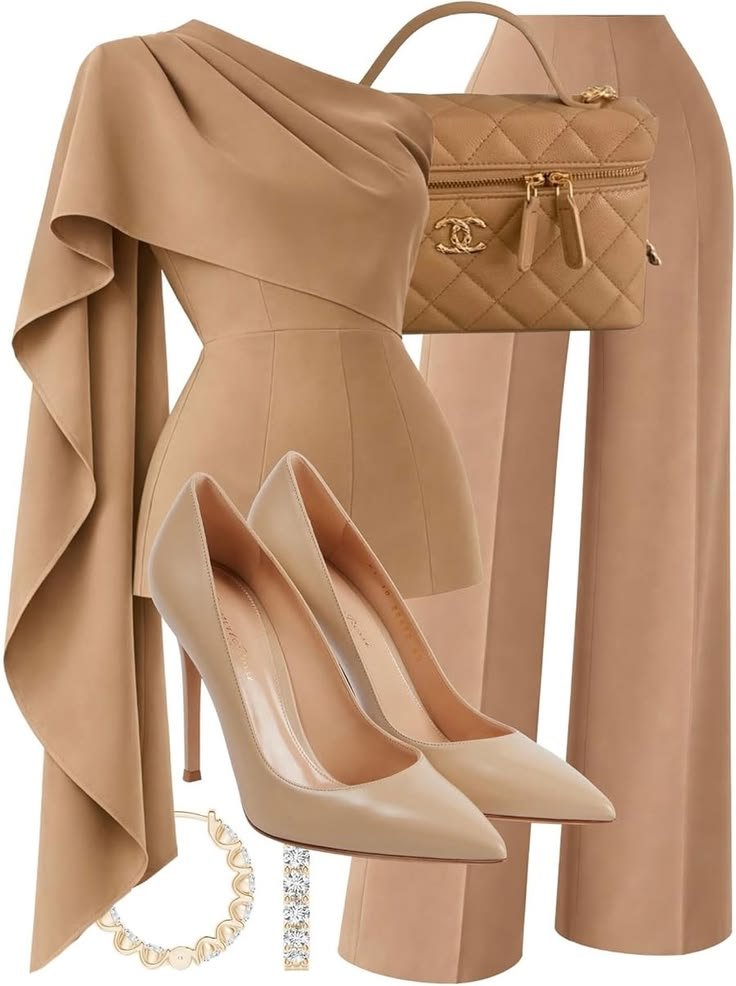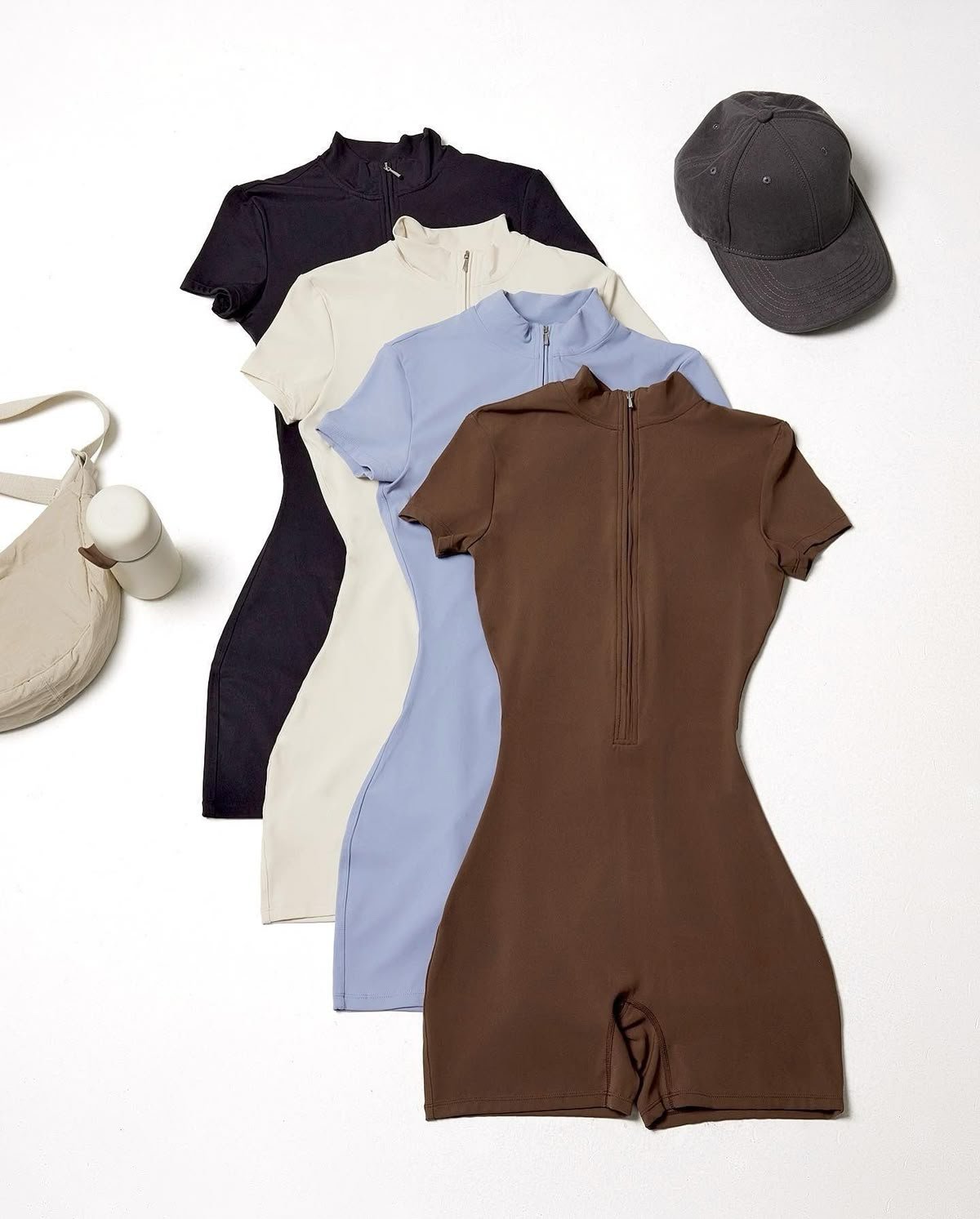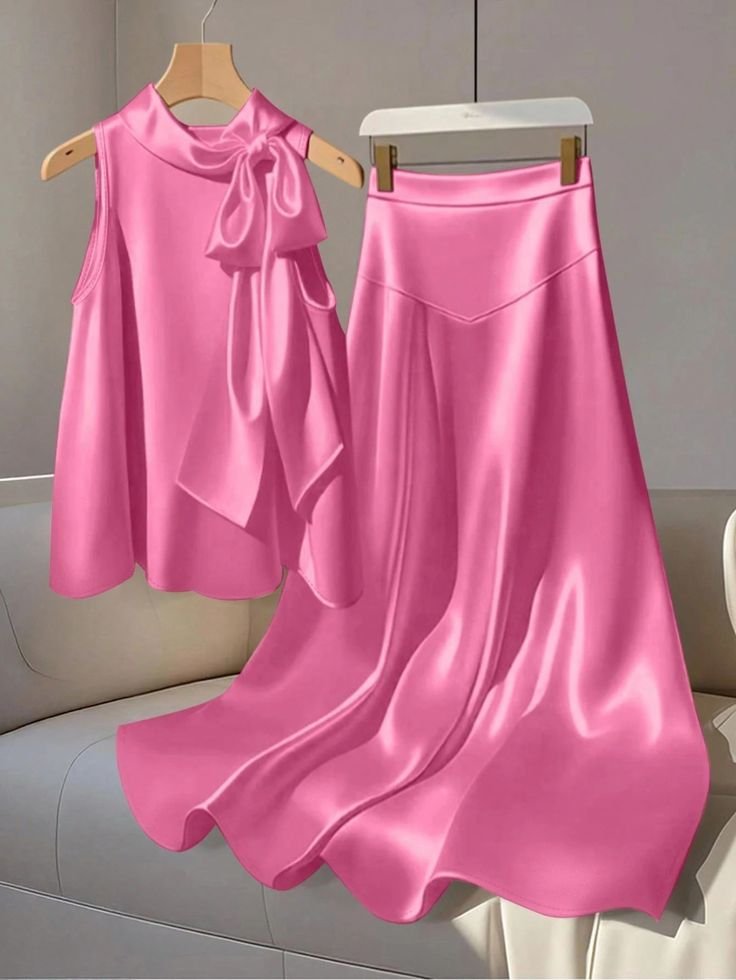
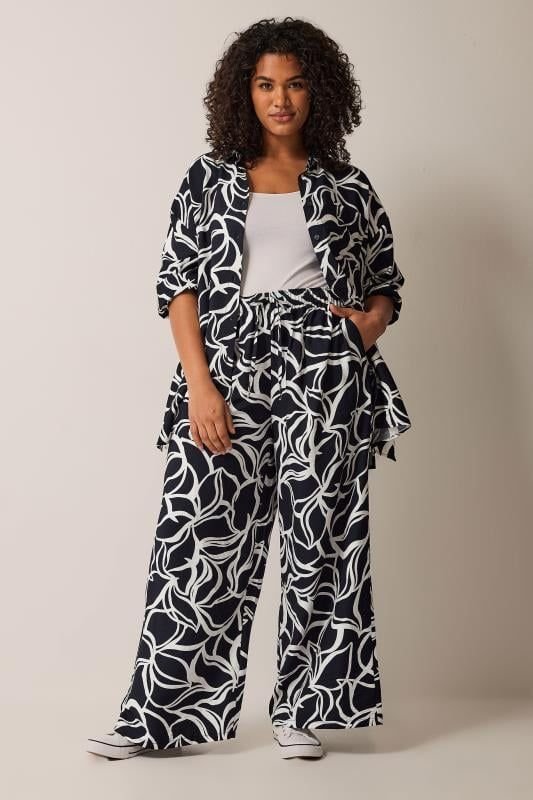
Nairobi's weather has a sense of humour. Monday morning it is 25°C and sunny. Tuesday afternoon there is a thunderstorm. Wednesday evening it is 14°C with that specific highland cold that goes straight through you. Getting dressed every day means thinking about fabric in a way most fashion guides from London or New York simply do not address.
This guide is specifically for Kenya and East Africa: the fabrics that work, the ones that do not, and how to choose what to buy.
Understanding Kenya's Climate Zones
Kenya is not one climate. Different regions have genuinely different weather patterns:
- Nairobi (1,800m altitude): Cool nights, warm sunny days, two rainy seasons, strong UV. Think Mediterranean with African sun.
- Mombasa and the coast: Hot and humid year-round. Coastal breezes help but it is rarely cool. Natural breathable fabrics are non-negotiable.
- Kisumu and the lake region: Hot, humid, tropical. Similar to coastal in fabric needs.
- Mount Kenya region: Cold mornings, variable days. Wool and heavier fabrics get use here.
This guide focuses primarily on Nairobi — the country's fashion capital — with notes for other regions where relevant.
The Best Fabrics for Nairobi
1. Linen — The Nairobi Champion
If you could only choose one fabric for the Nairobi climate, it would be linen. Here is why:
- Breathability: Linen is one of the most breathable fabrics in existence. Its fibre structure allows air to circulate freely — you stay cool even when it is 27°C in the afternoon sun.
- Moisture wicking: Linen absorbs moisture and releases it quickly, so you do not overheat and you do not carry sweat visibly.
- UV protection: Tightly woven linen provides natural UV protection — relevant at 1,800m where the sun's UV index is higher than at sea level.
- Gets better with age: Unlike synthetic fabrics, linen softens and improves with every wash.
- The wrinkle question: Yes, linen wrinkles. Some people hate this. Others — and we are in this camp — think a little linen wrinkle looks intentional and lived-in rather than sloppy. Buy pre-washed linen and embrace it.
Best for: Daytime everything — work, errands, brunch, travel. Shirt dresses, trousers, blouses, co-ord sets.
Not ideal for: Formal evening events where you need a perfectly smooth silhouette.
2. Cotton — The Reliable Foundation
Cotton is the workhorse of the Nairobi wardrobe. It is breathable, washable, durable and comfortable. The key is quality: Egyptian cotton, Pima cotton or a high thread-count cotton will behave completely differently from thin fast-fashion cotton.
- 100% cotton jersey: T-shirts, casual dresses, tank tops. Comfortable and easy.
- Cotton poplin: Crisp shirts, blouses, structured pieces. Looks polished, wears cool.
- Cotton lawn: Lightweight, slightly sheer, beautiful drape. Perfect for summer blouses.
Best for: Every day, every occasion, every season in Nairobi.
3. Satin and Charmeuse — Evening Elegance
For Nairobi evenings, satin is the right answer. It photographs beautifully in artificial light, it has just enough warmth to handle 18°C evenings, and its drape creates an effortlessly elegant silhouette.
Important note: there is a difference between polyester satin (affordable, less breathable, perfectly fine for evenings) and silk satin or charmeuse (expensive, naturally temperature-regulating, incredibly luxurious). Both have their place in a Nairobi wardrobe.
Best for: Evening events, formal occasions, date nights. Slip dresses, blouses, wide-leg trousers.
4. Viscose and Rayon — The Affordable Middle Ground
Viscose (also called rayon) is a semi-synthetic fabric made from wood pulp. It is softer than cotton, has beautiful drape, and breathes reasonably well. It is one of the most commonly used fabrics in mid-range fashion for good reason: it looks and feels more expensive than it is.
The Nairobi caveat: viscose does not like humidity. On very humid rainy-season days, it can feel uncomfortable. In dry-season Nairobi, it is excellent.
Best for: Smart casual and workwear. Flowy dresses, wrap skirts, work blouses.
5. Wool (Light Weight) — For Nairobi's Cold Season
In June and July, Nairobi gets cold. Not Johannesburg-in-winter cold, but genuinely chilly mornings and evenings that require real warmth. A lightweight merino wool sweater or cardigan is your answer.
Merino wool specifically is:
- Naturally temperature-regulating (warm when cold, not suffocating when it warms up)
- Odour-resistant (relevant for long Nairobi days)
- Soft against skin (no itching)
- Packable for travel
Best for: Nairobi cold season (June–August), highlands, high-altitude travel within Kenya.
Fabrics to Avoid in Nairobi
Heavy Polyester
Polyester does not breathe. In Nairobi's afternoon heat, heavy polyester garments trap body heat and moisture, which is uncomfortable and frankly unhygienic after a few hours. Light polyester (like satin-weave polyester) is fine. Heavy jersey polyester is not your friend.
Nylon
Similar issue to polyester. Nylon is not breathable. Great for sportswear designed for it. Not great for general dressing in Nairobi's climate.
Leather and Faux Leather for All-Day Wear
A leather jacket or faux leather skirt is genuinely stylish and works for short-duration wearing. But full leather or faux leather outfits for a long Nairobi day — especially if you are moving between warm outdoor and cool indoor spaces — will be uncomfortable.
How to Read Fabric Labels: What to Look For
When buying clothes in Nairobi's markets, mall boutiques or online, look for:
- "100% cotton" or "100% linen": Best breathability and durability.
- "Viscose" or "Rayon": Good drape and breathability, moderate durability.
- "Polyester blend": Check the percentage. Under 30% polyester in a cotton blend is usually fine. Over 50% starts to feel synthetic in Nairobi's heat.
- Care labels: "Hand wash cold" or "Machine wash cold" are your friends. "Dry clean only" is a regular expense — factor that into the real price of the garment.
Final Thought: Invest in Fabric, Not Trend
The best fashion advice for Nairobi is the same as the best fashion advice anywhere: buy fewer things, in better fabrics, that actually suit your climate and life. A KSh 4,500 linen shirt dress in 100% linen that you wear 60 times over three years is better value — financially and environmentally — than three KSh 1,500 synthetic dresses you wear twice each before they pill and fade.
Nairobi women have always understood this intuitively. Our climate demands it. Dress for where you live — and where you live is wonderful.